
The harvest mouse project - Chester zoo and Ealing wildlife group
This site is not the final version and is currently being tested. Any projects, sites and species data added to the site should be for testing only and will be wiped before the final version is released.
- Monitoring points:
- Species observations:
Test project
Project summary
Increase of predator populations, competition with wood mice and field voles, habitat fragmentation, pesticides, etc are decreasing harvest mouse populations. For this reason, harvest mouse were reintroduced different areas of England. Interestingly, pellets of owls are used by specialists to see if populations of harvest mouse are increasing or not.
Overall aim
Reintroduction of bred individuals to the wild to increase numbers of harvest mouse. This reinforcement can also help owl conservation;
Name of species translocated
Micromys minutus
How many species?
1
Monitoring form type
Translocation generic records
Project timeline
The first reintroduction was done in 2004 in Northumberland and more recently 69 breeding nests reported in 2022 and 118 reported in 2023 (North England). Bred animals in captivity were also released in Ealing but number of individuals were not reported.
Funding body
Mayor of London
Amazon's Right Now Climate Fund
Chester zoo
Project lead
Dr Wendy Fail
Project team - organisational or group members
Dr Wendy Fail; Chester zoo team (Penny Rudd) and Ealing wildlife group
Translocation aims
Species recovery (restoration to all or part of a species’ range)
Improving genetic diversity at recipient site
Country
England
Region or locality
Northumberland; North England; Ealing
How many release sites?
3
Images
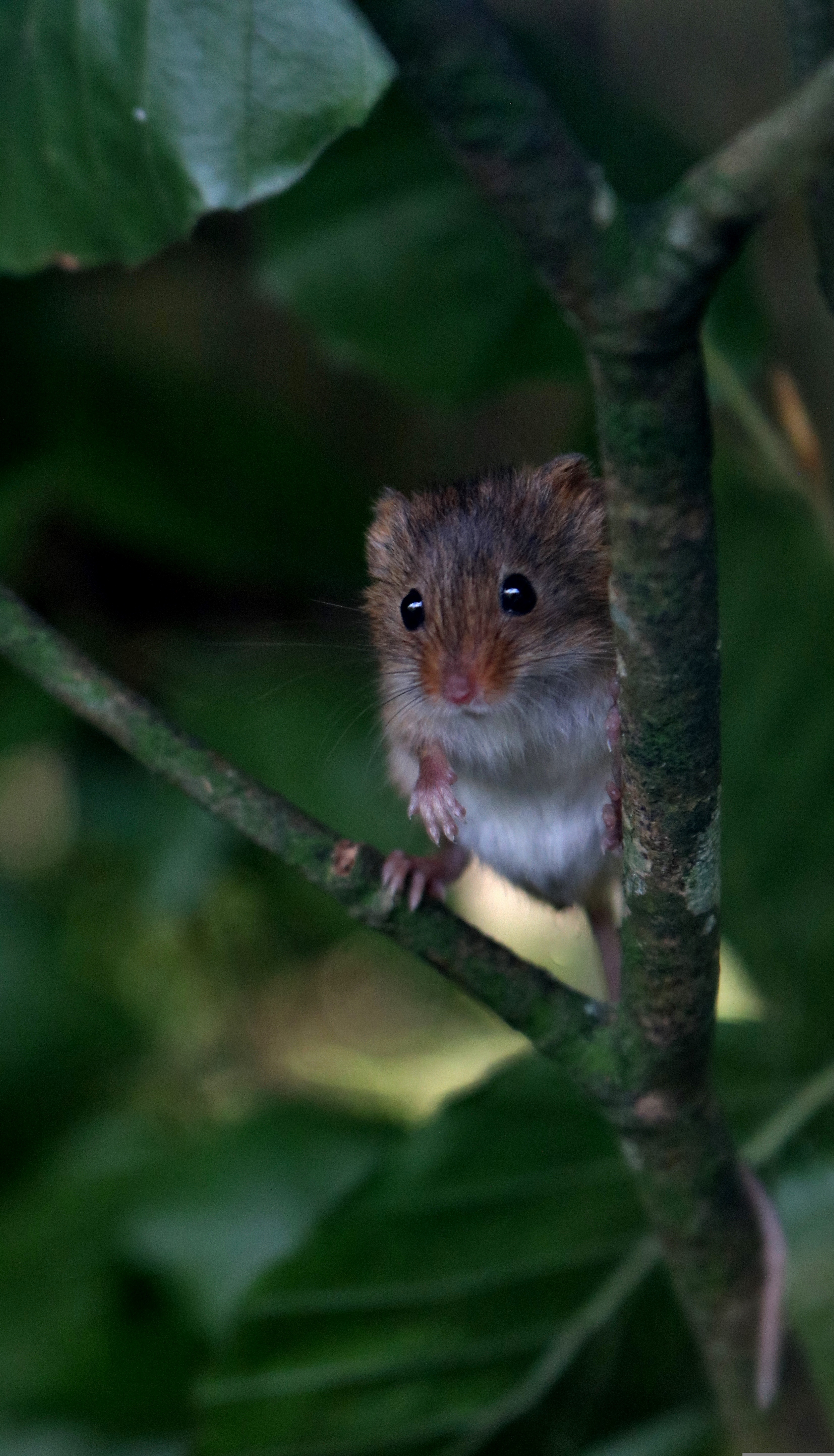
Species
Species benefits
Improved national status of species
Improved genetic diversity of species
Scientific benefits
Improve translocation practice
Site