
North-West Rare Plant Initiative (NWRPI): lesser bladderwort
This site is not the final version and is currently being tested. Any projects, sites and species data added to the site should be for testing only and will be wiped before the final version is released.
- Monitoring points:
- Species observations:
Test project
Project summary
Historical and ongoing habitat loss has resulted in an Area Of Occupancy decline of 40% and Extent Of Occurrence decline of 42% across England since 1930 (Stroh et al, 2014). In north-west England, lesser bladderwort became confined to a single bog pool in Cheshire and sites in Cumbria. It is likely that dispersion is a key limiting factor to the recolonisation of this species on many degraded peat sites. For this reason, species reintroduction is essential for survival. Without reintroduction in Cheshire, its last, small population in Delamere will likely go extinct in the next century.
Overall aim
To reintroduce plants to targeted peatland restoration sites within the Greater Manchester region; To re-establish a robust metapopulation across peatland restoration sites within the Greater Manchester region.
Name of species translocated
Utricularia minor
How many species?
1
Monitoring form type
Translocation plant records
Project timeline
From 2017 to 2020 individuals were translocated from the Lilly Pool on the Abbots Moss SSSI complex, Cheshire to Manchester Mosses SAC, Great Manchester. In 2019, 29,000 plants were reported in the area and in 2020, 200,000 were reported.
Project team - organisational or group members
Joshua Styles BSc AMRSB MCIEEM, North Wales Rare Plant Initiative;
Collaborators: Cheshire Wildlife Trust; Lancashire Wildlife Trust
Collaborators: Cheshire Wildlife Trust; Lancashire Wildlife Trust
Translocation aims
Species recovery (restoration to all or part of a species’ range)
Country
England
Images
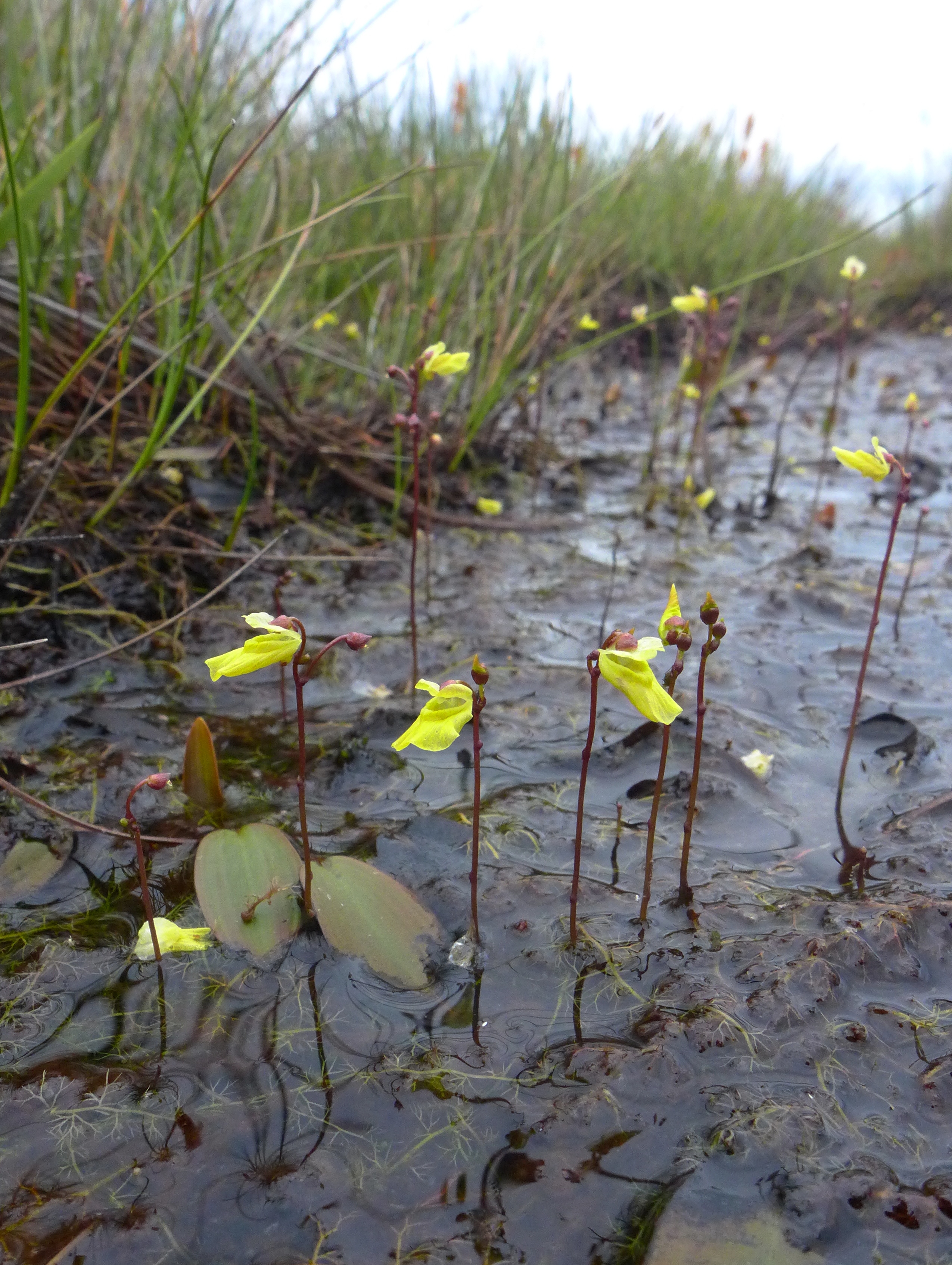
Species
Species benefits
Improved national status of species
Increased numbers of populations
Scientific benefits
Improve translocation practice