
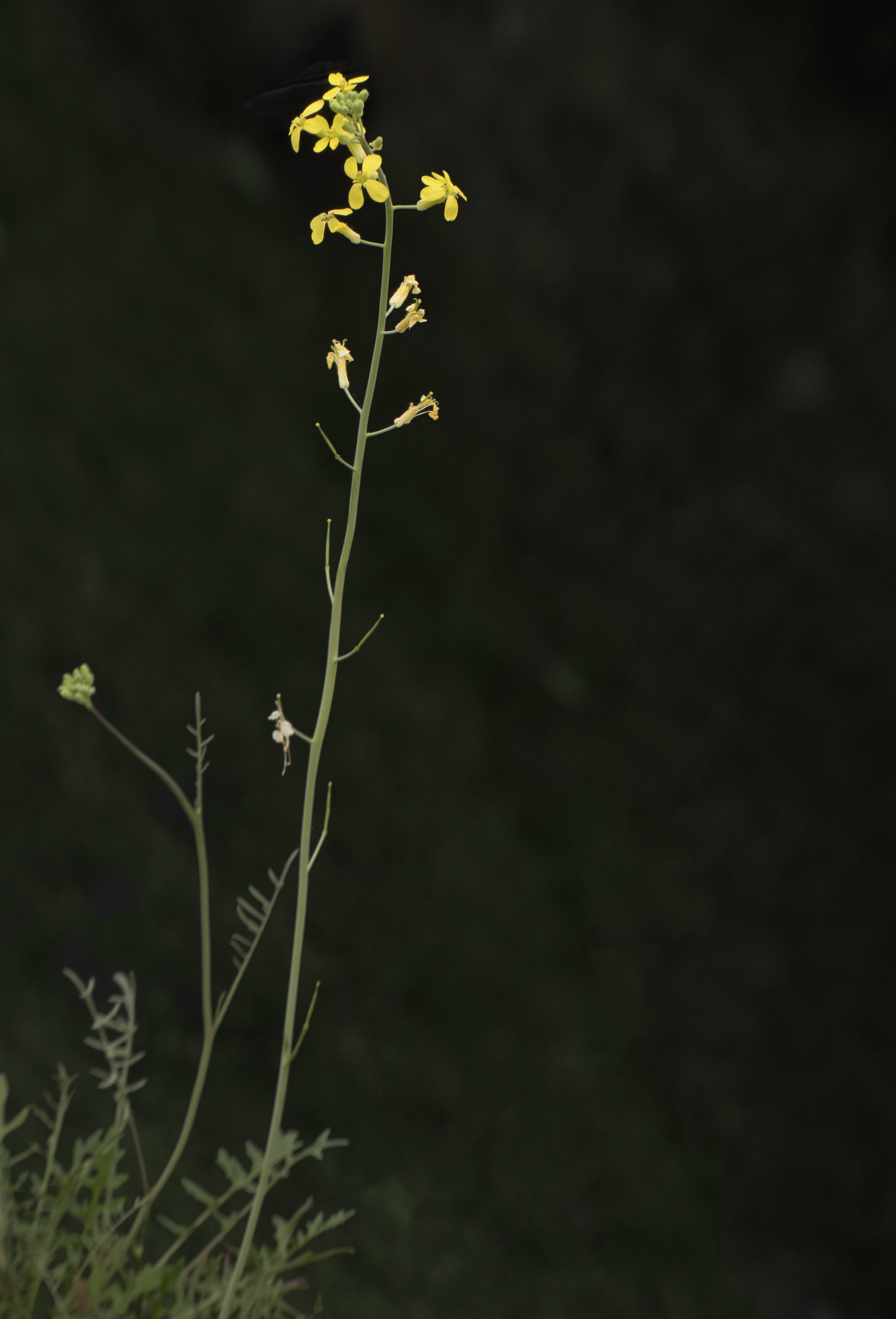
Coincya monensis subsp. monensis
This site is not the final version and is currently being tested. Any projects, sites and species data added to the site should be for testing only and will be wiped before the final version is released.
- Monitoring points:
- Species observations:
Test project
Project summary
This paper describes the results of a translocation rescue of the British endemic Isle of Man cabbage Coincya monensis ssp. monensis from a sand-dune ridge at Crosby, Merseyside, which was about to be excavated as a source of sand for a coastal protection scheme at nearby Hightown. Using methods developed during a 1992 translocation, over eight hundred 1st year plants, together with seed-pods, were moved by volunteers to two protected receptor sites at Crosby and Birkdale in August 2011. Monitoring the following summer located small surviving populations at the receptor sites but mortality of transplants appeared to be over 90%, seed germination and establishment contributing most individuals.
Overall aim
Translocation of Coincya monensis subsp. Monensis in three different sand dune areas
Name of species translocated
Coincya monensis ssp. Monensis
How many species?
1
Monitoring form type
Translocation plant records
Project timeline
Translocation occurred in 2011 and monitoring of seedlings were cared on the following summer
Project team - organisational or group members
Philip H. Smith & Patricia A. Lockwood (manuscript authors)
Wildlife Trust for Lancashire, Greater Manchester and North Merseyside, volunteers
Wildlife Trust for Lancashire, Greater Manchester and North Merseyside, volunteers
Translocation aims
Species recovery (restoration to all or part of a species’ range)
Country
England
Images
External links
Species benefits
Improved national status of species
Scientific benefits
Improve translocation practice