
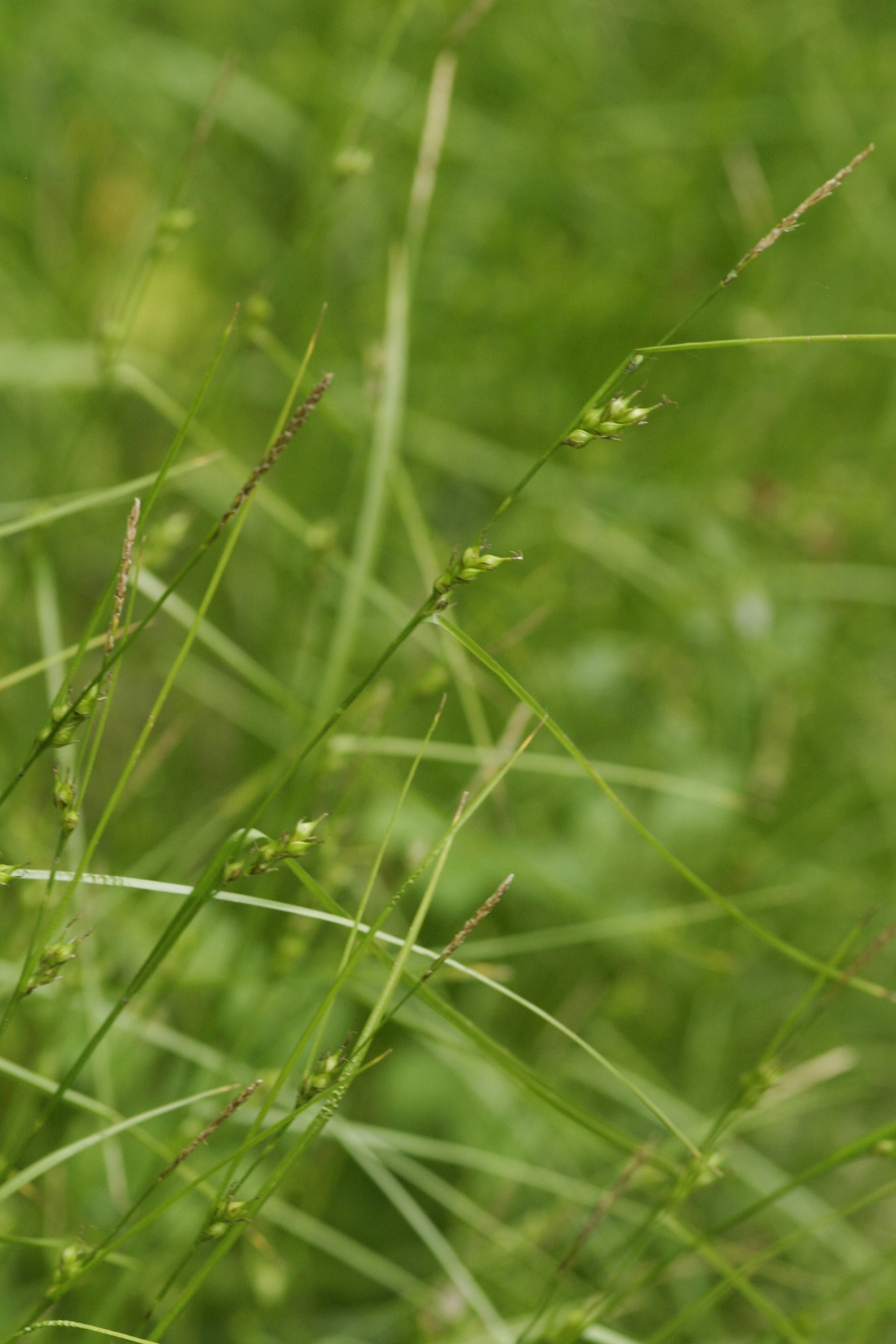
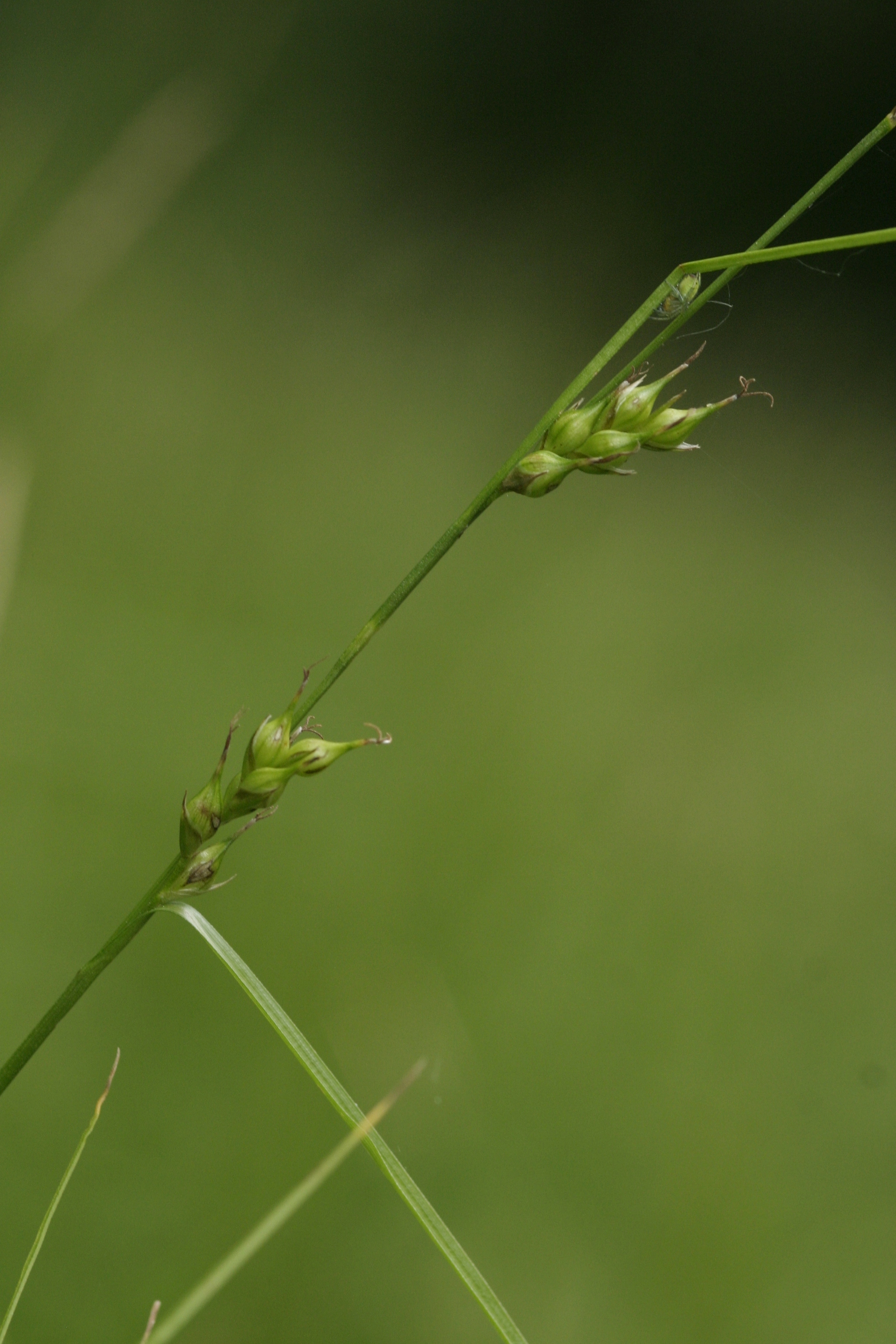
Carex depauperata
This site is not the final version and is currently being tested. Any projects, sites and species data added to the site should be for testing only and will be wiped before the final version is released.
- Monitoring points:
- Species observations:
Test project
Project summary
Carex depauperata With. (Cyperaceae). Starved Wood-sedge. is a very rare plant in the British Isles. It is currently known from two sites in Britain and one in Ireland, all with small populations. In Britain it is listed as Critically Endangered (the highest I.U.C.N. threat level), and is protected by Schedule 8 of the Wildlife and Countryside Act 1981 (Wigginton 1999). In the Republic of Ireland it is listed on the Flora (Protection) Order, 1999. It is also reputed to be rare and scattered across much of its European range, and often occurs in tiny populations. It is extinct in Germany and Luxembourg, and is described as rare in Belgium, Corsica, Italy, Switzerland and Turkey (Blab et al. 1984; Delvosalle et al. 1969: G. Aymonin, pers. comm,. 1989; Landolt 1989; Nilsson 1985).
Overall aim
Fifteen years conservation work on the rare. statutorily protected species Carex depauperala With. (Cyperaceae). Starved Wood-sedge in Britain are summarised. In the British Isles it has been recorded historically from 14 sites in v.cc. 6, 9/11, 16, 17, 52, 83, 90 and H5.
Information published: Walsonia 23: 401--411 (2001 )
Information published: Walsonia 23: 401--411 (2001 )
Name of species translocated
Carex depauperata Curtis ex With.
How many species?
1
Monitoring form type
Translocation plant records
Project timeline
First translocation (15 individuals) occurred in Cheddar Wood, 1777 and in the last year of monitoring (1999), 9 individuals were reported alive.
In 1988 a new translocation initiative of 100 plants occurred in the Edge of Cheddar Wood. In 1999 only 17 plants were reported alive.
In 1988 a new translocation initiative of 100 plants occurred in the Edge of Cheddar Wood. In 1999 only 17 plants were reported alive.
Project team - organisational or group members
T. C. G. Rich and C. R. Birkinshaw (author of manuscript)
Somerset Trust for Nature Conservation and Bristol Conservation Corps; Cambridge University Botanic Gardens
Somerset Trust for Nature Conservation and Bristol Conservation Corps; Cambridge University Botanic Gardens
Translocation aims
Species recovery (restoration to all or part of a species’ range)
Outcomes
Outcome
Recent report (2023) from 'The species recovery trust' pointed out that the number of individuals in the existing populations are increasing.
Country
England
Images
Species benefits
Improved national status of species
Scientific benefits
Improve translocation practice