
Conservation challenges of Woodsia ilvensis in the UK
This site is not the final version and is currently being tested. Any projects, sites and species data added to the site should be for testing only and will be wiped before the final version is released.
- Monitoring points:
- Species observations:
Test project
Project summary
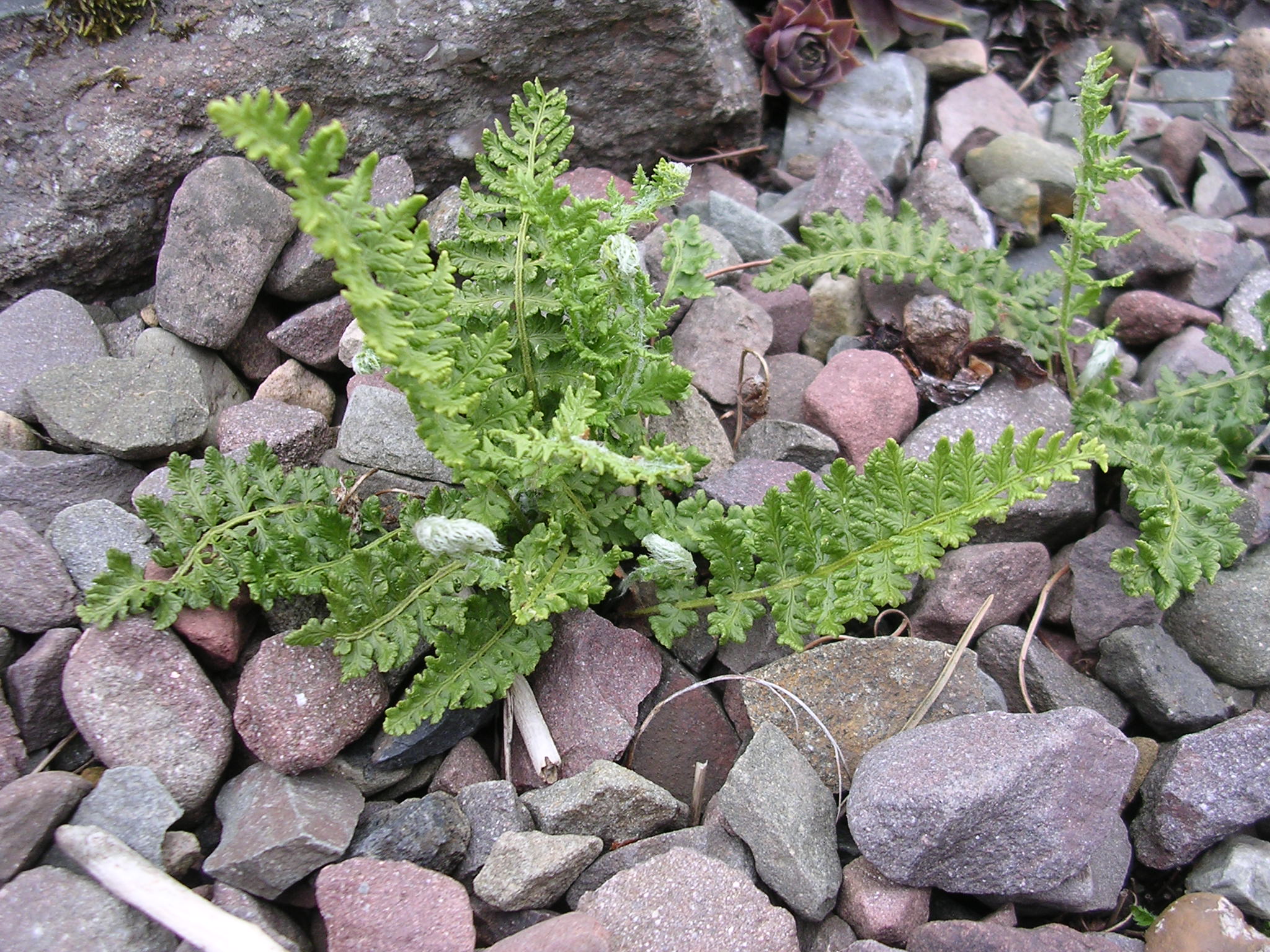
The Oblong Woodsia (Woodsia ilvensis) is a small fern that would have been more widespread in Britain when the ice was retreating over 10 000 years ago. With a warmer climate it has become much less common. Because of its rarity, Victorian collectors in the 19th Century gathered nearly every plant they could find. There are now fewer than 100 wild clumps Britain. In some formerly well-known localities the fern has long since gone. To encourage recovery, there have been reintroductions to several locations where this fern was once found.
Overall aim
It is hoped that with more plants (grown from the nearest surviving Woodsias) the fern will be able to spread, and recolonise its former locations again.
Name of species translocated
Woodsia ilvensis
How many species?
1
Monitoring form type
Translocation generic records
Project timeline
This report covered the reintroduction of Woodsia ilvensis in four different areas between 1987 to 1999-2000. Two sides are located in South Scotland and the other two in North England, respectively.
South-facing site, survival 43% and 89%
North-facing site, survival 96% and 88%
South-facing site, survival 43% and 89%
North-facing site, survival 96% and 88%
Funding body
Royal Botanic Garden Edinburgh
The Leverhulme Trust
Scottish Natural Heritage
English Nature
Project team - organisational or group members
H. McHaffie, A. Ensoll, S. Lindsay, P. Lusby, A. Dyer, M. Gibby.
Funding by the Royal Botanic Garden Edinburgh, The Leverhulme Trust, Scottish Natural Heritage and English Nature
Funding by the Royal Botanic Garden Edinburgh, The Leverhulme Trust, Scottish Natural Heritage and English Nature
Translocation aims
Species recovery (restoration to all or part of a species’ range)
Translocation aim explanation
It is hoped that with more plants (grown from the nearest surviving Woodsias) the fern will be able to spread, and recolonise its former locations again.
Additional outcome details
The re-introduction will be deemed to have been successful if re-colonisation can be demonstrated from the introduced plants.
Country
England
Scotland
Images
External links
Species
Species benefits
Improved national status of species
Increased numbers of populations
Increased numbers of individuals in the wild
Scientific benefits
Improve translocation practice